
HBS Notes · HBS Prep
Negotiation: Thirteen Days
Leave the other side a way to follow through
ClassWed, Oct 28 09:00–10:30 (Boston time) · Negotiations · Kevin Mohan · Prep materials
Contents4 sections
Unit 3, Professor Kevin Mohan's Negotiations: Thirteen Days — A Memoir of the Cuban Missile Crisis.
Before reading about the Cuban Missile Crisis, I was inclined to think of it as a contest of wills: whoever backs down first loses.
Reading the memoir alongside its foreword, that view stopped being enough. Both sides had the capacity to cause enormous destruction, and neither could guarantee that every step would stay fully under control. The truly hard part was protecting your vital interests while still leaving the other side choices it could accept and actually carry out.
Here goes — enjoy:
Case Summary
In October 1962, the United States discovered that the Soviet Union was deploying nuclear missiles in Cuba. Neither earlier intelligence assessments nor Soviet assurances had led the US to expect this. Once the new evidence emerged, Kennedy faced not only a weapons threat, but also public commitments, domestic pressure and relations with allies.
The Soviet Union and Cuba had their own fears. The Bay of Pigs and US activities aimed at the Castro regime left Cuba worried about another invasion; Khrushchev saw the missile deployment as a way to protect Cuba and change the balance of power. Understanding these motives doesn't mean accepting the secret deployment and the deception, but it does explain why both sides described their own moves as defensive.
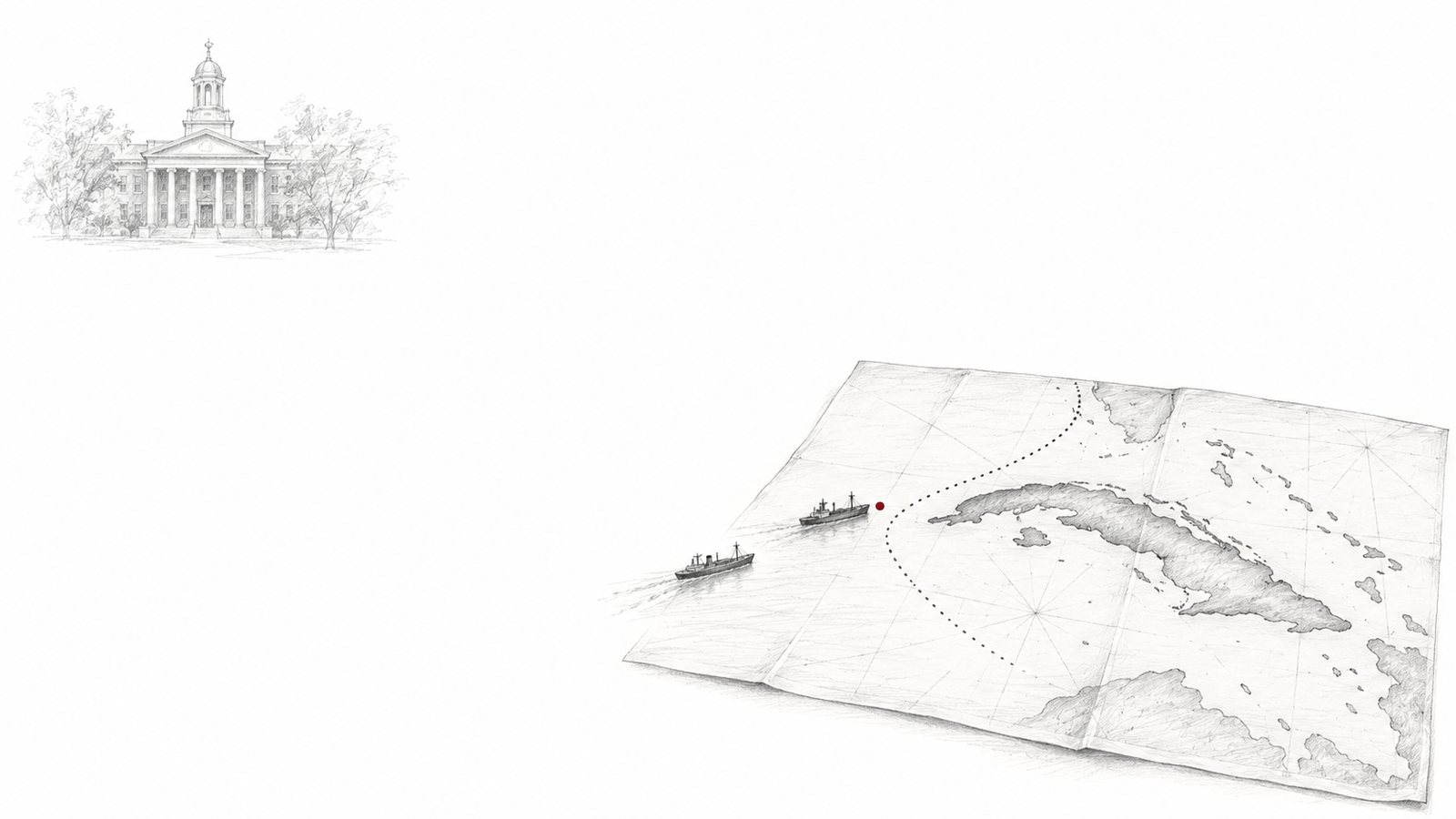
The US advisers weighed an air strike, an invasion and a naval quarantine. An air strike was direct, but couldn't guarantee eliminating every weapon and might provoke retaliation elsewhere. A quarantine preserved time and room to adjust, but construction on the island continued, and contact at sea could also spark conflict. No option could eliminate the risk.
Kennedy chose the quarantine, combining it with military preparations, allied support and negotiation. After a US reconnaissance plane was shot down, the pressure rose sharply, yet he still didn't let retaliation happen automatically, and kept searching for an arrangement that would remove the threat.
In the end, the public terms — withdrawal of the missiles from Cuba and a guarantee not to invade Cuba — together with a private arrangement on the missiles in Turkey formed the backdrop to the resolution. Schlesinger's foreword explicitly fills in the secret exchange that the memoir plays down. The crisis was defused, but not without a price, nor did it mean that everyone affected took equal part in the decision.
My Thinking
The appeal of the first move can hide the disaster of the fourth
The temptation of an air strike lies in its directness. Find the weapons, destroy the weapons — it looks like a clear-cut problem.
But as long as some weapons remain undiscovered, as long as Soviet casualties would provoke a response, as long as Berlin or Turkey could become the next flashpoint, the problem no longer stays in Cuba. The value of a move has to be judged after factoring in how the other side will respond.
This is also the part that's easy to miss in business decisions. Raising prices can improve today's gross margin, cutting staff can reduce today's costs, tough contract terms can increase today's protection. But customers, employees and partners will all respond. However good the numbers from the first move look, they're no substitute for thinking through what happens next.
Keeping options open requires concrete execution arrangements
A quarantine isn't a gentle label. Warships, submarines, pilots and commanders on the scene are all in motion, and any local incident could change the situation.
Kennedy cared about whether ships had time to turn around, whether messages had actually been delivered, and whether an individual incident was enough to trigger retaliation. Whether a strategy can stay limited depends on these seemingly minor execution conditions.
So-called flexibility, without authority to pause, channels for information and conditions for review, is likely to remain just a wish expressed in a meeting. Conversely, giving the other side a little time to react has a cost too: construction on the island won't wait. Keeping options open has to go hand in hand with observation and judgment.
Dissent needs to feed into the decision, not stay outside the meeting room
Among the advisers there were hawkish positions and differing judgments. The president was sometimes absent, so that discussion would be less swayed by authority; different groups had to produce complete plans, not just say what they were for.
What interests me more is how this disagreement was used. Once a plan was challenged, it had to answer for its implementation conditions, the opponent's likely response and its possible costs. The argument shifted from positions to testable assumptions.
Someone was still responsible for the final decision. Allowing disagreement doesn't mean waiting forever for consensus; the leader's responsibility is to make sure key information gets through, and then to take on the judgment with incomplete information.
Beyond the public story, there was a real exchange
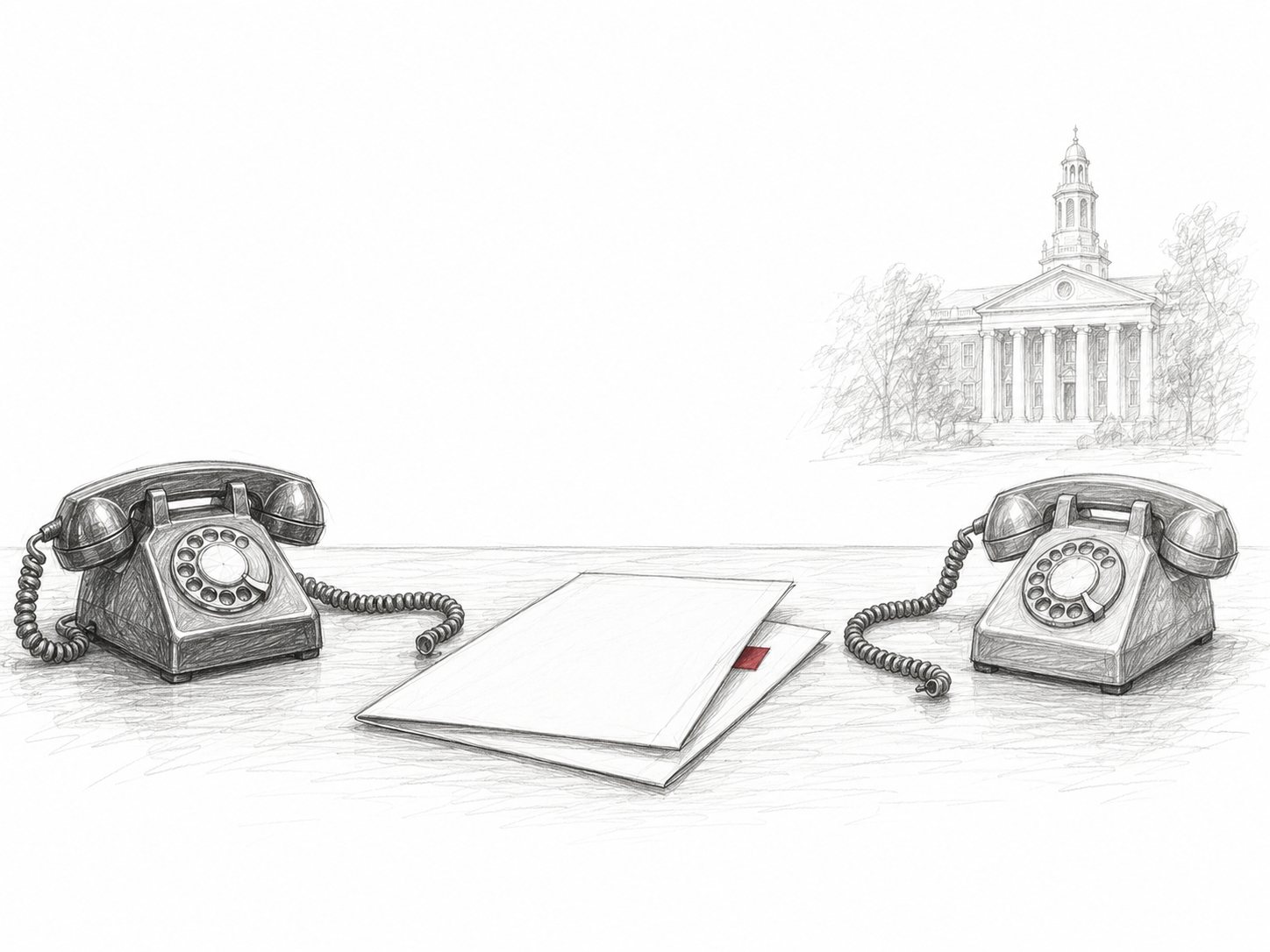
Reading only the main text, it's easy to remember the US responding to the earlier letter, and the line about not making trades under pressure. The foreword, however, makes clear that the secret arrangement on the missiles in Turkey is a part that can't be ignored.
This adds a layer of caution to how I think about "winning a negotiation." The public narrative may emphasize firmness, while the actual agreement depended on mutual adjustment. To judge an outcome, you need to know what each side really gave up and what it kept.
Private communication can reduce the pressure of public posturing, but it can also leave those affected without a say. Secret deals in history can't be taken as a direct justification for bypassing authorization in business. What's more worth learning is spelling out the terms within your real authority, and checking that the commitments are consistent with one another.
A good deal has to be one the other side can deliver on
A concession that can't be explained internally is hard to sustain. Leaving your opponent their dignity isn't just a courtesy; it also affects whether they can follow through.
Kennedy avoided publicly claiming credit after the crisis ended, which was consistent with his limited aims all along. What mattered was that the danger came down, not making the other side admit defeat in front of the whole world.
The memoir still reflects a participant's perspective, and a successful outcome can't erase chance and the unknown. Information disclosed later showed that the world at the time was more dangerous than the decision-makers knew. An ending like this is worth studying, and worth approaching with humility.
Takeaways for Arcus42
First define the problem everyone needs to solve together. If each party only defends its position, it's easy to overlook the losses that all sides actually want to avoid. Write down the goals and constraints first, and only then will you know which terms can be adjusted.
Put your preferred option through a reverse test. Those who back a decision should also spell out the circumstances in which it would fail. The more popular a judgment, the more it needs someone to challenge it seriously.
Spell out authority to pause and escalate in advance. When new evidence emerges, who can stop an action and who can change a commitment can't be left to guesswork in the moment. Clear authority makes execution steadier.
Extend the deal into delivery. Who approves, who implements, how completion is confirmed, how delays are handled — all of these should be part of the arrangement. An agreement is only worth something if the other side can actually deliver on it.
Preserve the dignity that cooperation requires. Hold firm on your vital interests, while avoiding humiliation that raises the other side's cost of following through. This is a practical judgment in a long-term relationship.
Before Class
The question I want to bring to class: when time is short, information is incomplete and the other side is also under internal pressure, how does a leader know whether to keep up the pressure or to change the shape of the agreement?
My preliminary answer from this case is to shift attention from posture to process: whether the facts are being updated, whether reactions are controllable, whether the terms are clear, and whether the other side still has a path it can actually follow.
These are pre-class reading notes and personal reflections, written on the basis of the assigned historical materials and not yet discussed in class. The business parallels drawn here are general methods, not mechanical analogies to the historical situation, and do not concern the internal affairs of any organization.